10/20/2026
Humanism: From Fixing to Healing
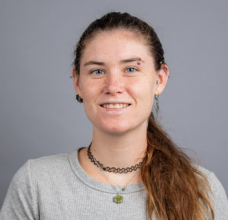
Corrine Hall
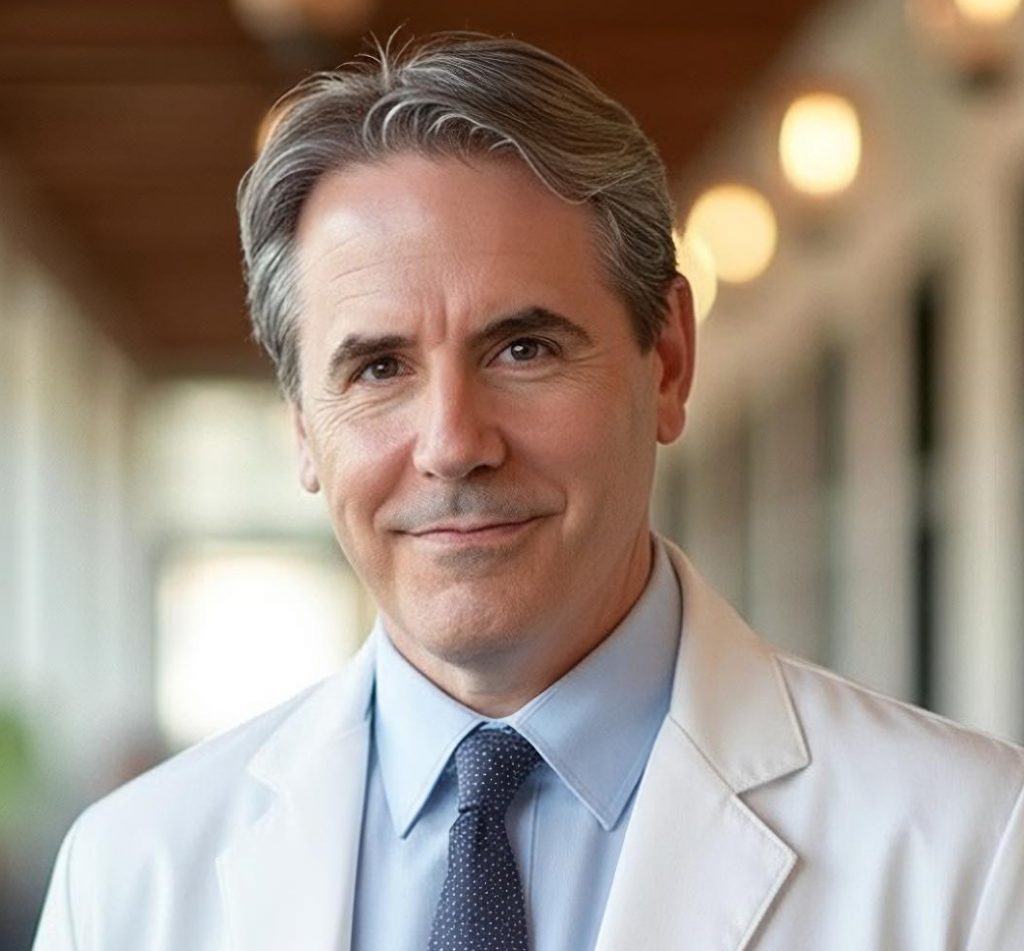
Lawrence Rosen, MD
The Social Mission Alliance For Us All Campaign is a vehicle to activate our community and the communities they serve to advance structural changes aligned with SMA’s vision in health professions training. A part of the For Us All campaign, is a media narrative effort that will highlight the material impacts these kinds of advancements have on patients, communities, clinicians, learners, and educators. These stories are a template for what we should be striving for in our healthcare and health professional training institutions.
I sit across from Isabel as tears stream down her face. Unsure what to do, I hand her the box of tissues sitting on the table. Usually full of words and laughter, Isabel’s quiet demeanor is unsettling. I search for something to say, something to do, anything to try and make her feel better. I search through my mental toolbox of actions I can take and resources I can connect her with. I think back to our previous meetings. When she was worried about her chronic heart failure, we co-developed an exercise plan that felt realistic and achievable. When she needed help moving her items in storage, we helped her brainstorm ideas and provided resources for affordable moving help. But how can I help now? I can’t make her elderly mom, who was just placed in the hospital, suddenly healthy again. I can’t force Isabel’s family to help her care for her mom. I can’t change the fact that her sister is accusing her of abusing her mom and benefiting
from her being sick.
I felt useless. Why was I even here if I couldn’t help? The Voice Program at Hackensack School of Medicine connects medical students like me with members of the community. The purpose is to create a symbiotic relationship where the student learns more about social determinants of health and the challenges that patients face through the process of navigating these challenges alongside a community
member. As I struggled to figure out what to say and what to do, I wrestled with my own insecurities. Why did I think I could be a doctor when I couldn’t even help this person in front of me? But then I realized – this is exactly what I am here to learn: how to actively listen and support my patient. I took a deep breath and leaned into the situation. I asked her questions about how she was feeling and how this experience was impacting her, but mostly I listened.
It was hard to accept that this was the extent of my ability to help her at that moment. She told us later how much it meant to her that she was able to get this off her chest in a safe space. It was a big lesson for me. Sometimes people don’t need someone to fix their problems, sometimes all they need is someone to listen to them. It made me think about my future in medicine. How there will be many times when I can’t fix something. I won’t be able to cure someone’s chronic illness. I can’t bring someone’s loved one back to life. I can’t erase an accident or force someone’s family to support them or undo the injustices that brought this person to my future office or ER. But what I can do is listen. I can provide space for them to process. I can provide comfort and support.
As I left that day, I reflected on the value of the experience I just had. I felt I learned something essential, not only to my medical practice, but to my personal life. I thought about how my relationships with friends and family might benefit from taking a step back and prioritizing listening over immediately jumping to problem solving. I wondered if I would have learned this if it wasn’t for the Voices Program which gave me the time and opportunity to learn this outside of the high pressure atmosphere of an ER or hospital. This isn’t the end of my story, just the beginning. Throughout the next year, I will have the opportunity to intentionally refine my active listening and patient-centered skills as I work to support Isabel – skills that will shape the way I advocate, empower and care for my future patients.
Mentor's Perspective
Medical education traditionally selects for and rewards problem-solvers. We teach our students to diagnose, to intervene, to cure. Yet, the realities of healthcare, particularly when confronting the complex web of social determinants of health, often defy simple fixes. As Assistant Director for the Human Dimension Course at Hackensack Meridian School of Medicine (HMSOM), I witness a profound shift in our students when they realize that healing sometimes begins exactly where fixing ends. In this deeply moving narrative, we see this transformation unfold in real time.
All students at HMSOM are placed in dyads in local communities via our innovative Human Dimension Voices Participant (HDVP) Program. Assigned to a community member (VP) for two years of home visits, students collaborate with their VPs to assess needs, connect to social resources, and explore health goals – whatever is most important to their VPs. The HDVP Program is consistently identified as one of the most influential and valuable components of our curriculum. Its success lies in its ability to foster humanistic connections through a longitudinal relationship and provide a real-world understanding of the determinants of health.
Corrine describes a moment of crisis while sitting with her VP, Isabel, who is overwhelmed by compounding familial issues and the hospitalization of her elderly mother. Stripped of the clinical tools to “cure” Isabel’s mother or repair fractured family dynamics, Corrine experienced a profound and unsettling vulnerability. Overwhelmed by the inability to force Isabel’s family to provide support, Corrine felt “useless”. She even questioned her own fitness to become a physician when faced with an unfixable problem right in front of her. Yet, in that space of perceived helplessness, a vital clinical competency was forged. She leaned into the discomfort, realizing that her true purpose in that moment was to actively listen and support her VP. By prioritizing active listening and providing a safe space for Isabel to express her feelings, Corrine offered a level of profound care for which Isabel later expressed immense gratitude. This
realization, that sometimes people do not need their problems fixed but simply need us to
listen, is a critical, paradigm-shifting lesson for future physicians.
The purpose of the HDVP Program is to foster a symbiotic relationship where medical students learn about the determinants of health by navigating real-world challenges alongside a community member. Health equity and social justice cannot be fully grasped from the detached vantage point of a lecture hall or within a hospital or clinic. By immersing students in the lived realities of their communities, they learn that structural inequities often manifest as profound personal suffering that requires a physician who knows how to hold space. While our future doctors will not be able to cure every chronic illness, bring loved ones back to life, or single-handedly undo the systemic injustices that bring patients to their doors, they can always provide comfort and a space for patients to process. And sometimes, that is the exact measure of healing that is needed.
Read more about this work
Thank you for reading this story emphasizing what this work means and why it is so important. We invite members of the Social Mission Alliance to share stories with us highlighting work aligned with the campaign pillars to be featured in our narrative campaign. Submit ideas through the form on our For Us All webpage.